

Golf is more than a sport. It’s a game rooted in respect, patience, and tradition. That makes golf course etiquette key for anyone wanting to enjoy the course and show respect to fellow players and the environment. Whether you are a complete beginner or a seasoned player, knowing the proper behavior on and off the course makes every round more enjoyable for everyone.
This article walks through everything you should know about golf course etiquette and basic golf course etiquette, backed by widely accepted practices from players, clubs, and golf communities.
What Is Golf Course Etiquette
Golf course etiquette refers to the set of unwritten rules and behaviors that show respect for the sport, the course, and other players. It covers everything from how you walk and talk on the course to how you treat the turf, bunkers, and greens. These guidelines exist alongside the official rules of golf and are just as important to follow for a smooth and friendly round of play.
Etiquette isn’t about being old‑fashioned or strict. It’s about making sure everyone, no matter skill level, enjoys their time on the course without unnecessary frustration or conflict. Proper etiquette creates a positive environment, reduces tension, and keeps the game moving at a fair pace.
Good manners on the course make a big difference. Players who follow etiquette help uphold the integrity of golf while showing appreciation for the facilities and the people around them.
10 Golf Course Etiquette Rules That Improve Your Game
1. Arrive Ready And Respect Tee Times
Being punctual is one of the simplest parts of basic golf course etiquette. Arrive early, check in at the pro shop, and give yourself time to warm up before your tee time. Most golf courses operate on a tight schedule, and late arrivals can throw off the pace for everyone behind you.

Most players aim to arrive at least 15 to 30 minutes before their scheduled start time to park, check in, stretch, and take a few warm‑up shots. Showing up early not only gives you a chance to prepare physically but also shows respect for the course, staff, and your fellow players.
When groups arrive late, it can create delays, push other groups back, and disturb the flow of play. Planning ahead and allowing enough time to reach the course will keep your round running smoothly from the first tee to the final green.
2. Dress The Part
Golf has long carried a tradition of specific attire. Wearing the appropriate clothing is part of showing respect for the course and the game itself.
Most courses expect players to wear collared shirts, tailored shorts or golf pants, and proper golf shoes. These standards may vary depending on the club, but dressing neatly and appropriately is always appreciated.
Jeans, gym clothes, or T‑shirts are usually discouraged unless the course explicitly allows more casual dress. Checking the club’s dress code before your round is a smart move, especially if you are playing at a private club or a course with stricter rules.
Golf attire is designed not just for tradition but for comfort and movement. Proper shoes provide traction and balance, while breathable clothing helps you stay relaxed under the sun.
3. Respect The Pace Of Play
A steady pace makes golf more enjoyable for everyone. Taking too long on shots or waiting around can hold up the group behind you and create tension on the course.
According to golf etiquette guidance, players should be ready to take a shot within 30 to 45 seconds of reaching their ball. This keeps the play moving and reduces unnecessary waiting time.
If your group is slow and another group approaches, it’s courteous to let them “play through.” This act of consideration helps the pace of play stay steady and respects the time of all players on the course.
In recent discussions within golf communities, slow play is often linked to course crowding and mismatched expectations rather than just poor etiquette. Being aware of your group’s pace and taking steps to keep things moving is one of the most powerful ways to show respect for others.
4. Keep Quiet And Stay Still During Shots
One of the most important aspects of golf etiquette is minimizing noise and motion when others are taking a shot. Even brief distractions can break a player’s focus or affect their swing.
Stand still, avoid talking, and stay out of the player’s line of sight or path. Phones should be on silent mode, and any unnecessary noise should wait until after the shot.
This rule goes beyond words. Moving too close, walking in someone’s view, or fidgeting around the tee or green can make an important shot feel much harder than it should be.
Quiet concentration benefits everyone. Respecting the focus of your playing partners or nearby groups contributes to a calm, respectful course atmosphere where everyone can play at their best.
5. Yell “Fore!” When Needed
If your ball is heading toward another player, group, or golf cart, shout ‘Fore!’ loudly and immediately to warn them of potential danger. This simple call can prevent injury or accidents.

“Fore” is not just a tradition. It’s a safety rule. Golf balls can travel at high speeds and cover long distances. People may not always be aware of where a stray ball might land, so giving a clear warning helps keep the course safe for everyone.
Don’t be shy about calling it out loud and early. A quick warning gives others time to protect themselves and move out of harm’s way.
6. Take Care Of The Course
Caring for the course is something every golfer contributes to. Every golfer contributes to maintaining good playing conditions and showing respect for the facility and those who work hard to keep it in shape.
Essential Practices for Course Care:
- Replace or repair any divots made on the fairway.
- Fix pitch marks and ball marks on the greens with a proper tool.
- Rake bunkers after playing out of them so the next player has a smooth surface.
These small actions help preserve the course’s quality and make the game more enjoyable for everyone.
Leaving the course in better shape than you found it reflects well on you and shows appreciation for the care that goes into maintaining greens, fairways, and bunkers. Many experienced golfers carry repair tools and a bunker rake because they know it’s part of proper etiquette.
7. Maintain Proper Position And Awareness
Where you stand on the course matters; standing too close to another player’s shot, or right in their line of sight, can cause distraction or even safety concerns. A good rule is to keep a respectful distance and stand to the side when someone else is playing.
On the green, avoid walking through someone’s putting line. Even light footsteps can alter the path of the ball or affect the roll. Always be aware of where your shadow falls, where your equipment sits, and where you move while others are playing.
Proper positioning shows respect for other players’ focus and helps avoid interfering with their shots.
8. Mind Your Behavior
Good sportsmanship is a key part of etiquette. Golf is a game that values honesty, courtesy, and self‑regulation, and your behavior should reflect that.
- Congratulate others on good shots.
- Accept rulings gracefully even when they are not in your favor.
- Avoid showing frustration by shouting or throwing clubs.
Such behavior not only keeps play pleasant but also builds a positive reputation among other golfers. Golfers who behave courteously are more likely to be welcomed back to courses and invited to play in friendly matches or tournaments.
Remember that golf is just as much a social game as it is a competitive one. Respectful conduct fosters friendships and good experiences for everyone.
9. Observe Cart And Equipment Rules
Many courses have specific rules about golf carts and equipment use. Following these rules carefully is part of basic golf course etiquette.
- Stay on designated paths when using carts.
- Avoid driving carts across tees, greens, or sensitive areas.
Correct buggy etiquette prevents damage to the course and keeps turf healthy for future rounds. Some courses even restrict cart paths during certain weather conditions or seasons to protect delicate turf.
Even if a rule seems small, following it shows responsibility and respect for the course conditions. Incorrect cart use can leave ruts, damage grass, and make the course less playable for others.
10. Respect Others And Safety
Respecting others and ensuring safety go beyond etiquette rules. It includes simple acts like not taking shots when the group ahead isn’t out of range and paying attention to potential hazards.
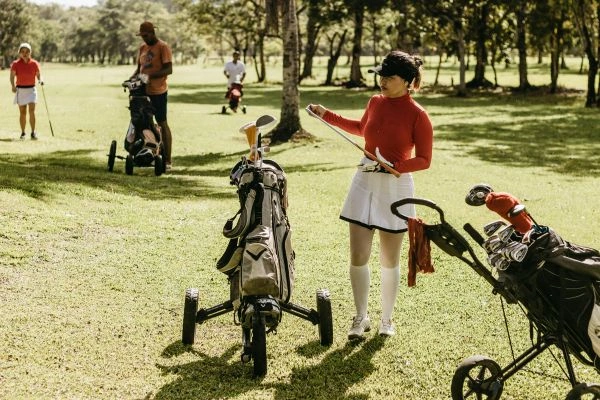
Waiting until the area is clear before playing is not only safe but courteous. Look around before you swing and make sure that other players, maintenance crews, and course staff are aware and out of harm’s way.
Respect any staff and follow their directions, especially during work on the course. Many maintenance teams carry out tasks like aeration, mowing, or hazard marking during play, and acknowledging their presence keeps everyone safe.
Basic Golf Course Etiquette For Beginners
For those new to golf, learning basic golf course etiquette makes the game more enjoyable and less intimidating. Here’s a short checklist of essential behaviors every beginner should follow:
- Be on time and ready to play.
- Respect dress codes and look neat.
- Help keep up the pace of play.
- Be quiet during others’ shots.
- Care for the course after your play.
These basics help you blend in quickly and be welcomed by more experienced golfers. Many beginners find that following these steps not only makes their round smoother but also makes other players more willing to offer helpful tips or encouragement.
Etiquette And The Social Side Of Golf
Golf is often as much about people as it is about technique. Etiquette plays a big role in the social harmony of a round. Respectful behavior encourages camaraderie and friendly competition, whether you’re playing with friends, joining a club event, or participating in a tournament.
Sharing positive energy, offering a friendly “nice shot,” and being considerate when someone misses adds to the spirit of the game. These simple moments build good memories, make play more fun, and reflect the tradition of golf as a game where respect and friendship matter.
Adapting Etiquette To Different Courses
Different courses may have unique traditions or expectations. Private clubs might enforce stricter dress codes and behavior standards, while public or municipal courses may be more relaxed but still expect basic courtesy.
Always check with the club or course manager when playing somewhere new. Some courses may have local rules about pace of play, cart usage, or dress standards that aren’t immediately obvious. Taking a moment to ask or research ahead of time shows respect and helps avoid awkward situations.
Etiquette Beyond The Rulebook
Beyond formal etiquette, there are unwritten norms that experienced golfers follow. These include greeting other groups politely, offering to help find lost balls with caution, and understanding when and how to offer advice respectfully.
Many golfers also carry small tools like divot repair tools and bunker rakes because they know it’s part of the game’s culture. Offering a helping hand, smiling, or being patient during tricky situations reflects the deeper spirit of golf.
How to Play Respectfully and Enjoyably
Understanding and practicing golf course etiquette isn’t just about avoiding mistakes. It’s about making the round more enjoyable for everyone involved. From arriving on time and dressing appropriately to taking care of the course and respecting others, good etiquette reflects your appreciation for the game and its traditions.
Being mindful of these rules shows respect not only for the course but for the people who make the game great. Follow these guidelines, and every time you step onto the fairway, you will feel smoother, more respectful, and more fun.