
Getting in a good cardiovascular workout does not require a gym membership, fancy machines, or even outdoor space. With bodyweight cardio exercises, it is possible to boost heart health, burn fat, and improve endurance using just your body and a little space. Whether the goal is to tone up, elevate your heart rate, or maintain overall fitness, bodyweight cardio workouts are highly effective and adaptable for people of all fitness levels.
This article explores how bodyweight cardio helps you stay fit anywhere, why it works, and how to build structured routines you can rely on. You will also find exercises and complete workouts that require no equipment at all, suitable for home, hotel rooms, or outdoor spaces.
What Makes Bodyweight Cardio So Effective
Bodyweight cardio relies on natural movements of the body to elevate the heart rate and keep it elevated for extended periods. Unlike traditional cardio machines, these exercises combine strength and endurance in one, engaging multiple muscle groups while challenging your cardiovascular system. This dual effect allows you to improve both conditioning and calorie burn without any equipment, weights, or machines.
One of the major advantages is versatility. Movements can be gentle for beginners or intense for advanced athletes, depending on speed, repetitions, and rest periods. They also take up very little space, making it possible to fit workouts into a daily routine with minimal preparation.
Fitness experts note that bodyweight workouts are especially effective when performed in circuits with short rest periods. This format maximizes calorie burn, improves cardiorespiratory fitness, and builds endurance when practiced consistently over time.
Major Benefits of Bodyweight Cardio
Understanding the benefits of bodyweight cardio helps explain why it is so popular:
- No equipment needed: You can perform these exercises anywhere, from small bedrooms to hotel lobbies.
- Easy to scale: Adjust intensity by increasing repetitions, rounds, or shortening rest periods.
- Full-body engagement: Many exercises work arms, legs, and core simultaneously.
- Improved heart health: Sustained elevated heart rates strengthen the heart and lungs.
- Efficient calorie burn: Bodyweight cardio can burn significant calories in short periods.
These benefits make bodyweight cardio ideal for anyone looking for a flexible, affordable, and effective fitness solution.
Key Bodyweight Cardio Exercises to Know
Here are some of the most effective exercises to include in a bodyweight cardio routine:
1. Jumping Jacks
A classic full-body movement that quickly elevates the heart rate while engaging legs, arms, and core.
How to do it:
Stand with your feet together and arms resting naturally at your sides. Jump up, spreading your legs and raising your arms overhead. Move back to the starting position and continue.

2. Mountain Climbers
Mountain climbers mimic running while in a plank position, targeting multiple muscle groups and providing a strong cardio boost.
How to do it:
Start in a plank position. Drive one knee toward your chest and quickly switch to the other while keeping your core tight and hips level.
3. Burpees
Burpees are an intense, full-body movement that combines a squat, plank, and jump to spike heart rate and burn calories.
How to do it:
From standing, drop into a squat, place your hands on the floor, kick back into a plank, return your feet to the squat, and jump explosively.
4. High Knees
High knees increase heart rate while targeting lower body muscles.
How to do it:
Run in place, lifting your knees high and pumping your arms naturally for rhythm and momentum.

5. Skater Jumps
Side-to-side jumps improve balance, coordination, and cardiovascular endurance.
How to do it:
Jump laterally, landing softly on one foot while the other swings behind you, imitating the motion of a speed skater.
6. Plank Variations
Planks strengthen the core and, when combined with movements like plank jacks, can elevate the heart rate for cardio benefits.
How to do it:
Hold a forearm plank, keeping your body in a straight line while engaging your core and glutes. Add dynamic variations such as leg lifts or hopping feet apart for increased intensity.
7. Jump Squats
Jump squats combine strength and cardio by working the legs and glutes while raising your heart rate.
How to do it:
Start in a squat, then jump explosively upward, landing softly and immediately lowering back into a squat. Maintain a lifted chest and engaged core throughout the exercise.
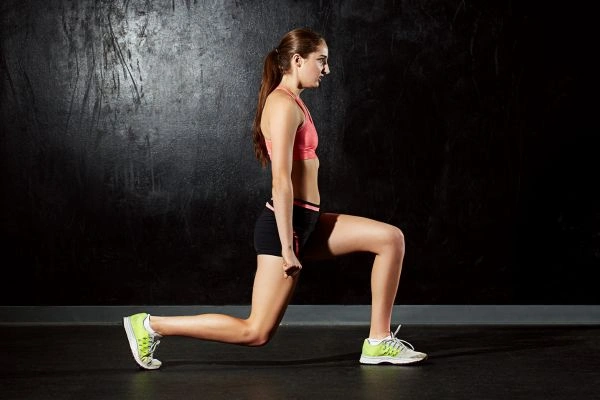
8. Step-Back Lunges with Knee Lift
This move works your balance, builds strength, and boosts cardiovascular fitness all at once.
How to do it:
Step back into a lunge, then drive the back knee forward and up as you return to standing. Alternate legs smoothly to maintain an elevated heart rate.
Building Your Bodyweight Cardio Workouts
Knowing the exercises is one thing. Structuring them into a routine is the key to results.
Quick 10-Minute Cardio Blast
Ideal for days when time is limited:
Warm-up: 2 minutes (march in place, arm circles)
Main:
- 1 minute jumping jacks
- 1 minute high knees
- 1 minute mountain climbers
- 1-minute skater jumps
Rest: 30 seconds
Cool-down: 2 minutes of stretching
Repeat if time allows.
20-Minute Interval Bodyweight Cardio
Intervals are excellent for burning fat and improving heart health:
Warm-up: 3 minutes (dynamic stretches such as leg swings and torso twists)
Interval Circuit (40 seconds on, 20 seconds rest):
- Burpees
- Mountain climbers
- High knees
- Jump squats
- Plank jacks
Repeat: 3–4 rounds
Cool-down: Stretch and deep breathing
This structure keeps your heart rate elevated while targeting multiple muscle groups in a short time.
30-Minute Full-Body Sequence
A longer session provides a comprehensive workout:
Warm-up: 5 minutes (dynamic stretching)
Workout:
- Jumping jacks – 60 seconds
- Lunges – 45 seconds per leg
- Burpees – 45 seconds
- Skater jumps – 60 seconds
- High knees – 60 seconds
Rest: 1 minute
Repeat: 3 rounds
Cool-down: 5 minutes of stretching
Minimal rest between exercises maximizes cardiovascular and muscular benefits.
Tips to Maximize Bodyweight Cardio
Even simple routines can be more effective with proper technique and planning:
Warm-Up and Cool-Down
Prepare your muscles before exercising and reduce soreness afterward through dynamic warm-ups and gentle stretching.

Mix Intensity Levels
Combining high-intensity bursts with moderate-paced movements keeps workouts challenging without causing burnout or injury.
Track Progress
Increase repetitions, rounds, or duration as exercises become easier to continue improving endurance and strength.
Focus on Form
Correct form reduces the risk of injury and ensures that muscles are engaged effectively throughout each movement.
Why Bodyweight Cardio Works Anywhere
The main advantage of bodyweight cardio is convenience. You don’t need any equipment or additional space. Whether in a living room, hotel room, small backyard, or park, your body provides all the resistance needed for a complete workout.
This makes it ideal for travelers, people working from home, or anyone with unpredictable schedules. Short but consistent workouts are more effective than occasional high-intensity sessions. Beginners can start with slower variations, and advanced exercisers can add jumps, plyometrics, or speed for a greater challenge.
How Bodyweight Cardio Improves Overall Fitness
Improved Heart Health
Raising the heart rate during exercise strengthens the cardiovascular system, improves endurance, and increases energy levels over time.
Enhanced Coordination and Agility
Many bodyweight exercises engage multiple muscle groups simultaneously, improving coordination, balance, and body awareness.
Balanced Strength and Cardio
Unlike traditional cardio, bodyweight exercises also target muscles in the legs, core, and upper body, leading to functional and balanced fitness.
Mental Benefits
Cardio releases endorphins that reduce stress, improve mood, and increase focus, making bodyweight cardio workouts beneficial for mental well-being.
Common Myths About No-Equipment Cardio
Several misconceptions may prevent people from starting bodyweight workouts:
- Myth: No equipment means no results.
- Truth: High-intensity bodyweight exercises can provide the same benefits as running or cycling if the heart rate is raised consistently.
- Myth: You need a lot of space.
- Truth: Most exercises require only a small area about the size of a yoga mat.
- Myth: It is boring.
- Truth: Mixing exercises, adding intervals, and playing music keeps routines engaging and fun.
Getting Started Safely
Before starting a new workout program, especially if you have health concerns, consult a healthcare professional. Begin gradually, increasing intensity, duration, and number of rounds over time.
Set realistic goals and track your progress. Small wins, like increasing repetitions or rounds completed, keep motivation high and ensure consistent improvement.
Expanding Your Routine for More Challenge
Once basic exercises become easier, add variations to maintain intensity and prevent plateaus:
- Plyometric variations: jump squats, tuck jumps, lateral bounds
- Core-intensive moves: mountain climbers with twists, plank knee drives
- Combination moves: burpees with push-ups or jump lunges.
- Timed circuits: Use a timer to challenge yourself with minimal rest
These variations keep workouts exciting while maximizing both cardiovascular and muscular benefits.
Your Key to Fitness Anywhere
Bodyweight cardio exercises make fitness accessible to everyone. From beginners aiming to improve heart health to experienced exercisers wanting to maintain fitness without equipment, these workouts are versatile, convenient, and highly effective. With moves like burpees, mountain climbers, jumping jacks, and high knees, you can create routines that burn calories, increase endurance, and strengthen multiple areas of the body without leaving your home.
Consistency, proper form, and gradual progression are the keys to success. Adjust intensity to match your goals, stay consistent, and enjoy the freedom of staying fit anywhere. Bodyweight cardio proves that you do not need a gym to achieve high-quality, effective workouts.